Squalene Epoxidase Block • Squalene Accumulation • Fungicidal Effect

Terbinafine Mechanism of Action: Why It Works Faster, Deeper, and More Effectively

Terbinafine is an allylamine antifungal agent with a primarily fungicidal effect. Its core mechanism involves potent inhibition of the squalene epoxidase enzyme, leading to disrupted ergosterol synthesis, toxic accumulation of squalene, and subsequent fungal cell death.

What Terbinafine Targets (Primary Molecular Target)
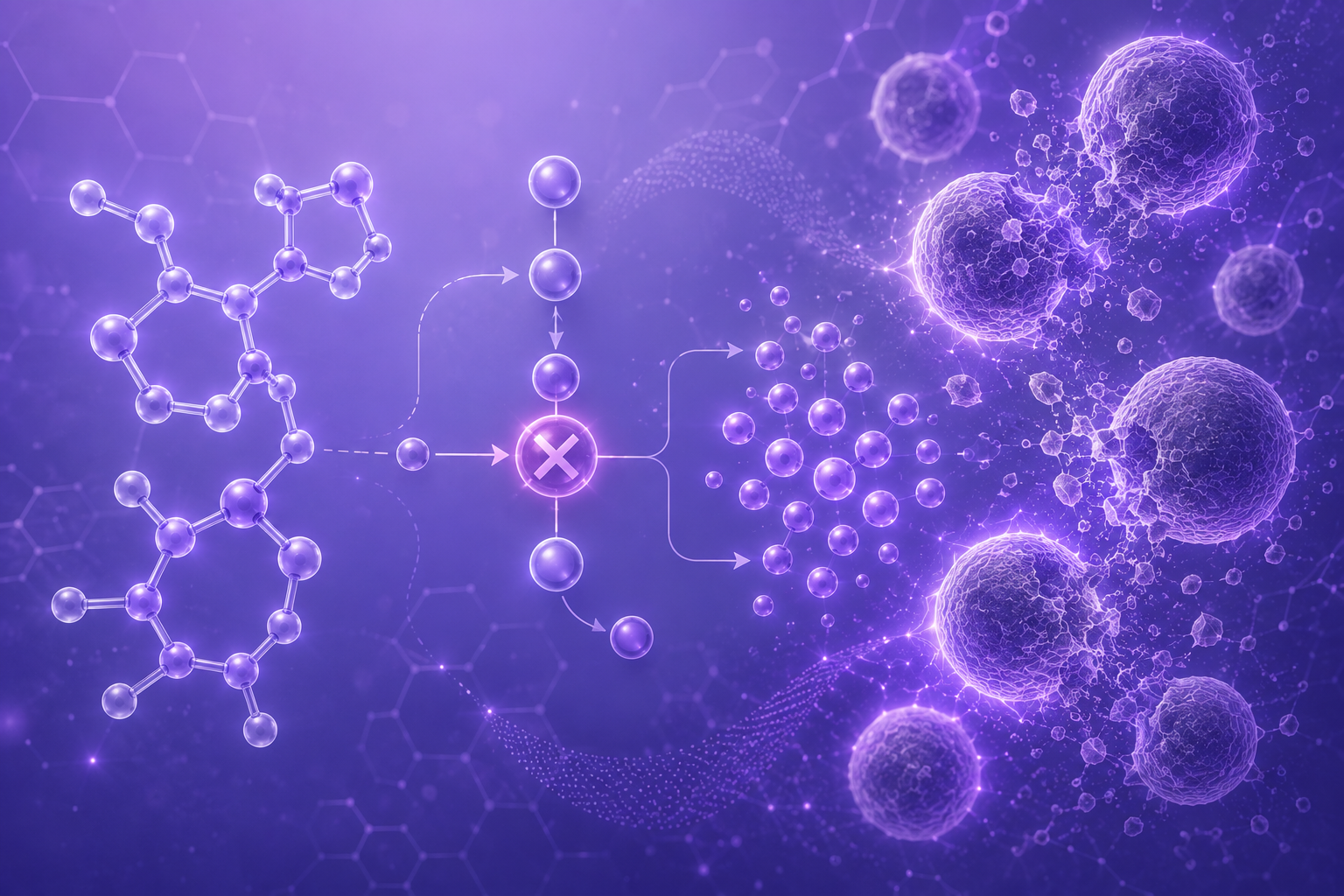
Terbinafine Molecular Target

Terbinafine acts on a clearly defined molecular target within fungal cells — the enzyme squalene epoxidase. This membrane‑bound enzyme plays a central role in the early stages of the ergosterol biosynthesis pathway, a process essential for maintaining fungal cell membrane structure, fluidity, and overall viability. By catalyzing the conversion of squalene into squalene‑2,3‑epoxide, squalene epoxidase initiates the sterol synthesis cascade that ultimately produces ergosterol, the fungal equivalent of cholesterol in human cells. Without this step, the entire pathway becomes disrupted, leaving the cell unable to maintain membrane integrity.

Squalene epoxidase is specifically localized within the fungal cell membrane, where it functions as a rate‑limiting checkpoint in sterol formation. Dermatophytes and other pathogenic fungi rely heavily on ergosterol to stabilize their membranes and support essential cellular processes. When this enzyme is inhibited, the biosynthetic pathway stalls, leading to rapid metabolic imbalance. The membrane becomes structurally compromised, making the fungal cell increasingly vulnerable to osmotic stress, nutrient disruption, and mechanical instability.

Terbinafine’s selective inhibition of squalene epoxidase blocks an early and critical step in the ergosterol synthesis pathway. This blockade produces two major biochemical consequences: a sharp reduction in ergosterol levels and a significant intracellular accumulation of squalene. At high concentrations, squalene becomes toxic to fungal cells, further amplifying the drug’s fungicidal effect. The combination of membrane destabilization and toxic metabolite buildup results in rapid fungal cell death, making terbinafine one of the most potent agents against dermatophyte infections.

By targeting this early molecular checkpoint, terbinafine disrupts fungal viability at its core, ensuring deep, sustained antifungal activity. This precise mechanism explains its strong performance in treating nail and skin mycoses, where durable penetration into keratinized tissues is essential for complete pathogen eradication.

How Squalene Epoxidase Inhibition Works

Terbinafine exerts its antifungal activity by selectively targeting and inhibiting the fungal enzyme squalene epoxidase, a membrane‑bound catalyst responsible for the first committed step in the ergosterol biosynthesis pathway. This enzyme normally converts squalene into squalene‑2,3‑epoxide, initiating a cascade of sterol‑forming reactions that ultimately produce ergosterol. Because ergosterol is essential for maintaining fungal cell membrane structure, fluidity, and permeability, blocking this early enzymatic step disrupts the entire sterol synthesis process. Without the ability to generate ergosterol, the fungal cell becomes structurally compromised from the outset.

Ergosterol functions as the primary structural lipid within fungal membranes, analogous to cholesterol in human cells. It stabilizes the lipid bilayer, supports membrane‑bound proteins, and regulates transport processes. When terbinafine inhibits squalene epoxidase, ergosterol production declines rapidly, leaving the membrane unable to maintain its normal architecture. As ergosterol levels fall, the membrane becomes increasingly unstable, losing its ability to withstand osmotic stress and mechanical strain. This destabilization affects nutrient uptake, ion balance, and overall cellular homeostasis, pushing the fungal cell toward functional collapse.

The absence of ergosterol alone would weaken the membrane, but terbinafine’s effect is amplified by the simultaneous accumulation of unmetabolized squalene. Although this block‑and‑accumulate mechanism is often discussed separately, the depletion of ergosterol remains a central driver of membrane failure. As the membrane loses integrity, it becomes fragile, permeable, and unable to support vital cellular processes. Ultimately, the fungal cell cannot maintain its structural boundaries and undergoes irreversible damage. This sequence — enzyme inhibition, ergosterol depletion, membrane instability, and loss of cellular integrity — forms the core of terbinafine’s potent fungicidal action.

Squalene Accumulation (Toxic Effect)

When terbinafine inhibits the fungal enzyme squalene epoxidase, the normal metabolic conversion of squalene into squalene‑2,3‑epoxide is abruptly halted. This reaction represents the earliest committed step in the ergosterol biosynthesis pathway, meaning that once it is blocked, the entire sterol‑forming cascade cannot proceed. As a result, squalene — which would normally be processed further — begins to accumulate inside the fungal cell. This metabolic bottleneck is one of the defining features of terbinafine’s mechanism of action and plays a major role in its fungicidal potency.

As intracellular squalene concentration rises, the fungal cell experiences profound biochemical stress. Squalene is not inherently harmful in small amounts, but at high concentrations it becomes directly toxic. Excess squalene disrupts lipid homeostasis, interferes with membrane‑bound enzymatic processes, and alters the physical properties of the cytoplasmic environment. These changes impair essential cellular functions, including nutrient transport, ion regulation, and energy metabolism. The cell becomes increasingly unable to maintain internal balance, setting the stage for progressive structural and metabolic failure.

One of the most damaging consequences of squalene overload is the development of osmotic stress. As squalene accumulates, it disrupts the osmotic gradient across the fungal membrane, causing swelling, increased membrane permeability, and eventual rupture. Combined with the simultaneous depletion of ergosterol — which weakens membrane stability — the toxic buildup of squalene creates a dual assault on the fungal cell. The membrane becomes fragile and unstable, while intracellular pressure rises beyond what the cell can withstand.

Ultimately, this combination of metabolic disruption, osmotic imbalance, and structural collapse leads to fungal cell death. Squalene accumulation is therefore not just a secondary effect of enzyme inhibition but a central driver of terbinafine’s fungicidal action. By blocking a single early enzymatic step, terbinafine triggers a cascade of toxic events that the fungal cell cannot survive, making it one of the most effective treatments for dermatophyte infections.

Why Terbinafine Is Fungicidal (Not Fungistatic)

Terbinafine is classified as a fungicidal antifungal because it does not merely slow fungal growth — it directly destroys fungal cells. This effect is rooted in its ability to disrupt the structural and biochemical integrity of the fungal cell membrane. By inhibiting squalene epoxidase, terbinafine simultaneously depletes ergosterol and triggers toxic accumulation of intracellular squalene. These two processes converge to weaken the membrane to a point where the fungal cell can no longer maintain its essential functions.

As ergosterol levels fall, the fungal membrane loses its stability and becomes increasingly fragile. Membrane‑bound proteins malfunction, permeability rises, and the cell can no longer regulate ion gradients or transport nutrients effectively. At the same time, rising concentrations of squalene exert a direct toxic effect, disturbing lipid homeostasis and generating osmotic stress within the cytoplasm. This dual biochemical assault pushes the cell toward irreversible structural collapse.

The combined outcome of membrane destabilization and intracellular toxicity is cell death, not temporary growth suppression. This is the key distinction between terbinafine and fungistatic agents such as azole antifungals, which inhibit ergosterol synthesis at later stages but do not produce the same lethal accumulation of toxic intermediates. Because terbinafine causes complete loss of membrane integrity and terminal metabolic failure, it is correctly categorized as a fungicidal agent with the ability to eradicate dermatophytes rather than merely inhibit them.

This fungicidal profile explains terbinafine’s strong clinical performance in nail and skin infections, where deep tissue penetration and sustained antifungal pressure are essential for eliminating persistent pathogens. Its ability to kill fungal cells outright makes it one of the most effective therapies for dermatophyte‑related mycoses.

Spectrum of Activity (Mechanism‑Linked)

Terbinafine exhibits a highly selective and mechanism‑driven spectrum of antifungal activity that directly reflects its molecular target — the enzyme squalene epoxidase. Because this enzyme plays a central role in ergosterol biosynthesis in dermatophytes, terbinafine demonstrates its strongest fungicidal effect against classic dermatophyte genera, including Trichophyton, Microsporum, and Epidermophyton. These organisms rely heavily on squalene epoxidase–mediated sterol synthesis, making them exceptionally vulnerable to terbinafine’s dual mechanism: ergosterol depletion and toxic squalene accumulation. This explains why terbinafine consistently achieves high cure rates in tinea pedis, tinea cruris, tinea corporis, and onychomycosis caused by dermatophytes.

Activity against Candida species is notably weaker and more variable. Yeasts such as Candida utilize alternative sterol pathways and exhibit lower dependence on squalene epoxidase, reducing their susceptibility to terbinafine’s mechanism. As a result, terbinafine may demonstrate partial or inconsistent activity against Candida infections, and azole antifungals are generally preferred when yeast is the primary pathogen. This mechanistic distinction is important for clinical decision‑making, especially in cases of mucocutaneous candidiasis or mixed‑flora infections.

Terbinafine has no activity against bacteria, as bacterial cells do not synthesize ergosterol and completely lack the squalene epoxidase target. Because its mechanism is tightly coupled to fungal sterol metabolism, terbinafine does not affect bacterial cell walls, membranes, or metabolic pathways. This makes it ineffective for any bacterial skin condition, including impetigo, folliculitis, or cellulitis, where antibacterial agents are required.

Overall, terbinafine’s spectrum is sharply focused: potent fungicidal activity against dermatophytes, reduced and inconsistent activity against Candida, and no effect on bacteria. This mechanism‑linked selectivity is a key reason why terbinafine remains the preferred first‑line therapy for dermatophyte‑driven skin and nail infections.

Why Terbinafine Works Well for Nail Fungus

Terbinafine is one of the most effective therapies for onychomycosis because its pharmacological properties align perfectly with the biological structure of the nail. The drug is highly lipophilic, meaning it readily dissolves in and binds to lipids. This characteristic allows terbinafine to penetrate deeply into dense, keratin‑rich tissues such as the nail plate, nail bed, and surrounding keratinized structures. Unlike many antifungals that struggle to reach therapeutic levels inside the nail, terbinafine accumulates efficiently, delivering potent fungicidal concentrations exactly where dermatophytes reside.

Once terbinafine enters the nail, it demonstrates a unique ability to persist for extended periods. Even after the oral treatment course is completed, measurable levels of the drug remain embedded within the nail plate for weeks — and in some cases, months. This prolonged retention is clinically significant because dermatophytes such as Trichophyton rubrum grow slowly and require sustained antifungal pressure to achieve full eradication. The long‑lasting presence of terbinafine ensures continuous fungicidal activity during the entire nail regrowth cycle, reducing the likelihood of relapse and improving long‑term cure rates.

This combination of high lipophilicity, deep tissue penetration, and long post‑treatment persistence is the primary reason terbinafine consistently outperforms many other antifungals in nail fungus treatment. While other agents may inhibit fungal growth, terbinafine maintains fungicidal concentrations long enough to eliminate the infection at its source. For patients seeking a reliable, evidence‑backed solution for onychomycosis, terbinafine remains one of the most effective and commercially preferred options.

Mechanism vs Itraconazole / Fluconazole

Terbinafine and azole antifungals act on the same ergosterol synthesis pathway, but they target fundamentally different enzymatic steps — and this distinction directly shapes their clinical behavior. Terbinafine inhibits squalene epoxidase, the earliest committed enzyme in the sterol biosynthesis chain. By blocking this step, terbinafine prevents the conversion of squalene into squalene‑2,3‑epoxide, shutting down the pathway before it can progress. This early blockade produces two immediate consequences: ergosterol depletion and rapid intracellular squalene accumulation. Together, these effects destabilize the fungal membrane and push the cell toward irreversible structural collapse.

Azole antifungals such as itraconazole and fluconazole work much later in the pathway by inhibiting lanosterol 14α‑demethylase. This enzyme is responsible for converting lanosterol into downstream sterols that eventually become ergosterol. Because azoles act at a later stage, they slow ergosterol depletion but do not trigger the same toxic buildup of upstream metabolites. As a result, their effect is primarily fungistatic — they suppress fungal growth but do not rapidly kill the organism. This mechanistic difference explains why azoles often require longer treatment durations and may produce slower clinical responses.

The key distinction is timing: terbinafine acts earlier in the biosynthetic chain, cutting off the pathway at its origin, while azoles intervene only after several intermediate steps. Because terbinafine disrupts the pathway at such an early point, it produces a faster and more pronounced fungicidal effect. Dermatophytes exposed to terbinafine experience both membrane destabilization and toxic metabolic overload, leading to rapid cell death. In contrast, itraconazole and fluconazole primarily inhibit growth, requiring the immune system or prolonged therapy to complete pathogen clearance.

This mechanistic advantage is a major reason terbinafine consistently outperforms azoles in dermatophyte‑driven conditions such as onychomycosis. Its early‑pathway inhibition, dual toxic impact, and rapid fungicidal action make it one of the most effective agents for deep, persistent fungal infections.

Mechanism Summary Table

Target Effect Consequences Result
Squalene Epoxidase Enzyme inhibition Ergosterol depletion Membrane instability
Squalene Pathway Blocked conversion to epoxide Squalene accumulation Toxic intracellular stress
Fungal Cell Membrane Loss of sterol components Structural collapse Fungicidal cell death

Terbinafine Mechanism of Action — FAQ

Terbinafine kills fungal cells by inhibiting squalene epoxidase, causing ergosterol depletion and toxic accumulation of squalene. This dual effect destabilizes the membrane and leads to irreversible cell death.

Terbinafine selectively inhibits the fungal enzyme squalene epoxidase, which catalyzes the first committed step in the ergosterol synthesis pathway.

When squalene epoxidase is blocked, squalene cannot be converted into its epoxide form. Its intracellular concentration rises, causing osmotic stress, membrane dysfunction, and ultimately fungal cell death.

Terbinafine is fungicidal. It causes irreversible membrane collapse and toxic metabolic imbalance, leading to direct fungal cell death rather than growth suppression.

Terbinafine inhibits squalene epoxidase, an early enzyme in the sterol pathway, while azoles inhibit lanosterol 14α‑demethylase, a later step. Terbinafine’s earlier blockade produces faster fungicidal action.

Terbinafine is highly lipophilic and accumulates in the nail plate, maintaining fungicidal levels for weeks after therapy. This prolonged retention is ideal for slow‑growing dermatophytes.

Terbinafine has minimal effect on human cells because human cholesterol synthesis does not rely on squalene epoxidase in the same way fungal ergosterol synthesis does.

Terbinafine persists in the nail for several weeks to months after treatment, maintaining therapeutic concentrations that continue to suppress fungal growth.

Ergosterol is the primary sterol in fungal membranes, essential for structural stability, permeability control, and proper membrane protein function.

Blocking ergosterol synthesis weakens the fungal membrane, disrupts transport processes, and makes the cell vulnerable to osmotic and mechanical stress.

Terbinafine shows weaker and variable activity against Candida species because their sterol pathways are less dependent on squalene epoxidase.

Terbinafine selectively targets fungal squalene epoxidase with minimal interaction with human enzymes, allowing strong antifungal activity with a favorable safety profile.